































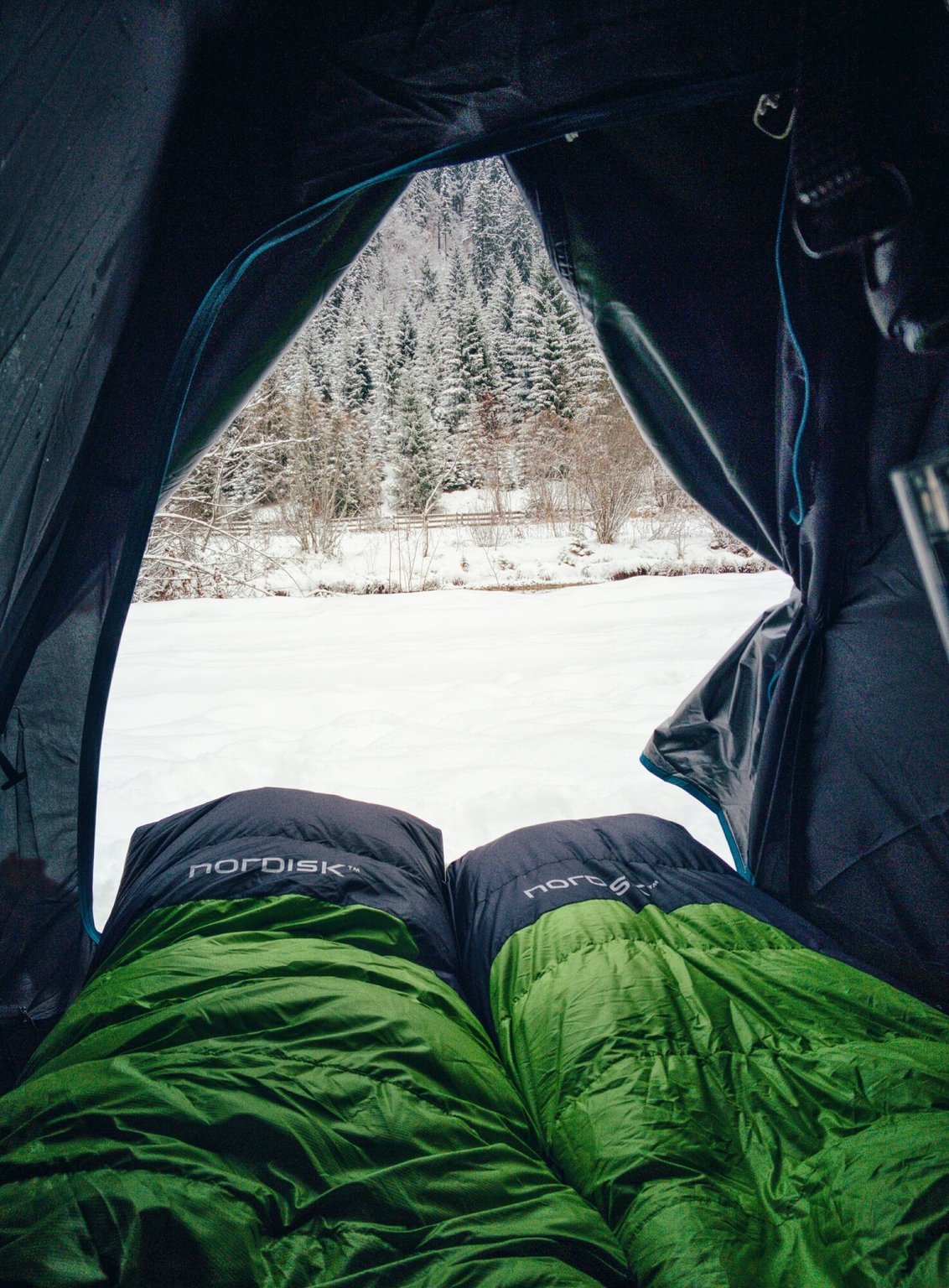
Have you ever spent a night outside and wondered why some people stay warm while others shiver even inside a tent? Sleeping outdoors can feel exciting, but it can also feel cold if you do not have the right gear. The good news is that you can stay warm in almost any place with the right sleeping bag.
In this guide, you will learn how sleeping bags for every explorer can make your outdoor nights safer, cozier, and more enjoyable. By the end, you will know exactly what to look for so you can explore the outdoors with confidence and comfort.
Understanding How Warmth Works Outside
When you sleep outside, your body loses heat much faster than it does indoors. The ground pulls heat away from you. The air can get cold even in warm seasons. A sleeping bag helps by trapping warm air close to your body.
Different sleeping bags trap heat in different ways. Some bags use thick insulation to hold warmth on cold nights. Others are lighter because they are made for warm-weather trips.
Beginners often think the thickest bag is always best, but that is not true. The right bag depends on the weather, your activity, and how your body reacts to cold. When you understand how warmth works, it becomes much easier to choose what fits your needs.
Types of Sleeping Bags for Every Explorer
Sleeping bags come in a few common shapes, and each shape works best for certain conditions. A rectangular bag gives you more space to move around. It feels roomy and comfortable, making it a good pick for simple camping trips in mild weather.
A mummy bag is shaped to hug your body more closely. This shape helps you stay warmer because it has less empty space inside.
There are also hybrid bags that mix both designs. They offer warmth while giving you a little more room near the shoulders or legs.
Some sleeping bags have hoods to keep your head warm. Others have zippers that open from both ends so you can let in air on warm nights.
Choosing the Right Insulation
Insulation is what keeps you warm inside the sleeping bag. There are two main types. One is synthetic insulation. It dries fast and keeps you warm even when it gets a little wet.
This makes it a good choice for rainy or humid places. The other type is down insulation, which comes from soft feathers. Down is very warm and very light, so it is great for long hikes.
Both kinds of insulation can keep you warm if you choose the right temperature rating. You should think about the lowest temperature you expect on your trip. If you go to colder areas, choose a bag with a lower rating.
Features That Make a Big Difference
A good sleeping bag is not only about shape and insulation. Small features can change how warm and comfortable you feel. Some bags have draft collars or tubes along the zipper.
These parts stop cold air from leaking inside. Strong zippers prevent snags and help you get in and out easily. Soft linings add comfort and feel gentle on your skin.
You may also want a bag that packs down small. This is useful if you hike long distances or carry your gear in a small backpack. Some sleeping bags, like the snugpak softie 9, are known for packing down small without losing warmth.
Finding the Best Fit for Your Body
Sleeping bags come in many sizes because people have different heights and body shapes. A bag that is too big may feel cold because there is too much space inside. A bag that is too small will feel tight and uncomfortable.
Most companies provide size charts to help you match your height and shape. Take a moment to measure yourself or check your usual clothing sizes so you can find the right fit.
Your sleeping style also matters. If you move a lot at night, look for a bag with extra room near the hips or feet. If you sleep still, a snug bag might keep you warmer.
Staying Warm Beyond the Sleeping Bag
Your sleeping bag does a lot of the work, but it cannot do everything on its own. The ground beneath you can pull away much of your warmth. To fix this, use a sleeping pad. A pad adds a soft layer between you and the ground.
Your clothing makes a difference too. Wearing dry, clean layers keeps your body warm. Do not wear clothes that are too heavy because they can block your sleeping bag from working the right way.
Light layers usually work best. Drinking warm fluids or eating a small snack before bed can also help your body stay warm longer.
Knowing Which Sleeping Bag Fits Your Adventure
Each trip is different. A family camping weekend at a local park needs a simple and comfortable bag.
A mountain trip with colder nights needs something warmer and tougher. A warm-weather beach trip may need only a light sleeping bag or even a travel sheet.
Think about where you will go, how long you will stay, and how much gear you can carry. These details help you choose a sleeping bag that feels right for the adventure. When you match your sleeping bag to your needs, you sleep better, feel safer, and enjoy nature more.
How Sleeping Bags Help You Enjoy the Outdoors More
A warm and well-fitted sleeping bag lets you rest well. When you sleep well, you wake up ready for new sights and new trails.
You feel more relaxed and more confident in your outdoor skills. A good sleeping bag also gives you peace of mind because you know you can stay warm if the weather changes.
Many beginners avoid camping because they fear cold nights. Once they use a proper sleeping bag, they often discover that outdoor sleep feels peaceful and refreshing. The right sleeping bag helps you enjoy nature at any time of year.
A Warm and Ready Ending for Your Next Adventure
Choosing sleeping bags for every explorer is not hard once you understand how warmth, insulation, size, and features work together. When you pick a sleeping bag that fits your trip and your body, you give yourself the chance to sleep well and enjoy every place you explore. Now you have the tools to make smart choices and stay warm no matter where your path leads.
Did this guide help you? Browse the rest of this section for more advice on a variety of topics.