





























A healthy, aligned smile is more than just a cosmetic goal. Misaligned teeth can lead to discomfort while chewing, increased risk of cavities, and even gum disease. Dental braces are a widely used solution to correct alignment issues, offering both functional and aesthetic benefits.
Today, braces are more advanced and varied than ever. Options such as traditional metal braces, ceramic braces, and invisible aligners combine effectiveness with a look that fits individual preferences. Explore the key insights ahead.
Understanding Dental Braces
Dental braces are orthodontic devices designed to move teeth into their proper positions gradually. They apply a steady force to teeth over time, allowing the jaw and teeth to adjust safely. Orthodontists often recommend braces to treat misalignment, overcrowding, or bite issues.
Braces work on a consistent pressure to guide teeth into alignment, reducing crowding, gaps, and bite problems. This correction improves not only appearance but also chewing efficiency, oral hygiene, and long-term dental health.
Types of Dental Braces
Choosing the right type of braces often depends on the severity of the dental issue, aesthetic preferences, and lifestyle considerations. See below.
Traditional Metal Braces
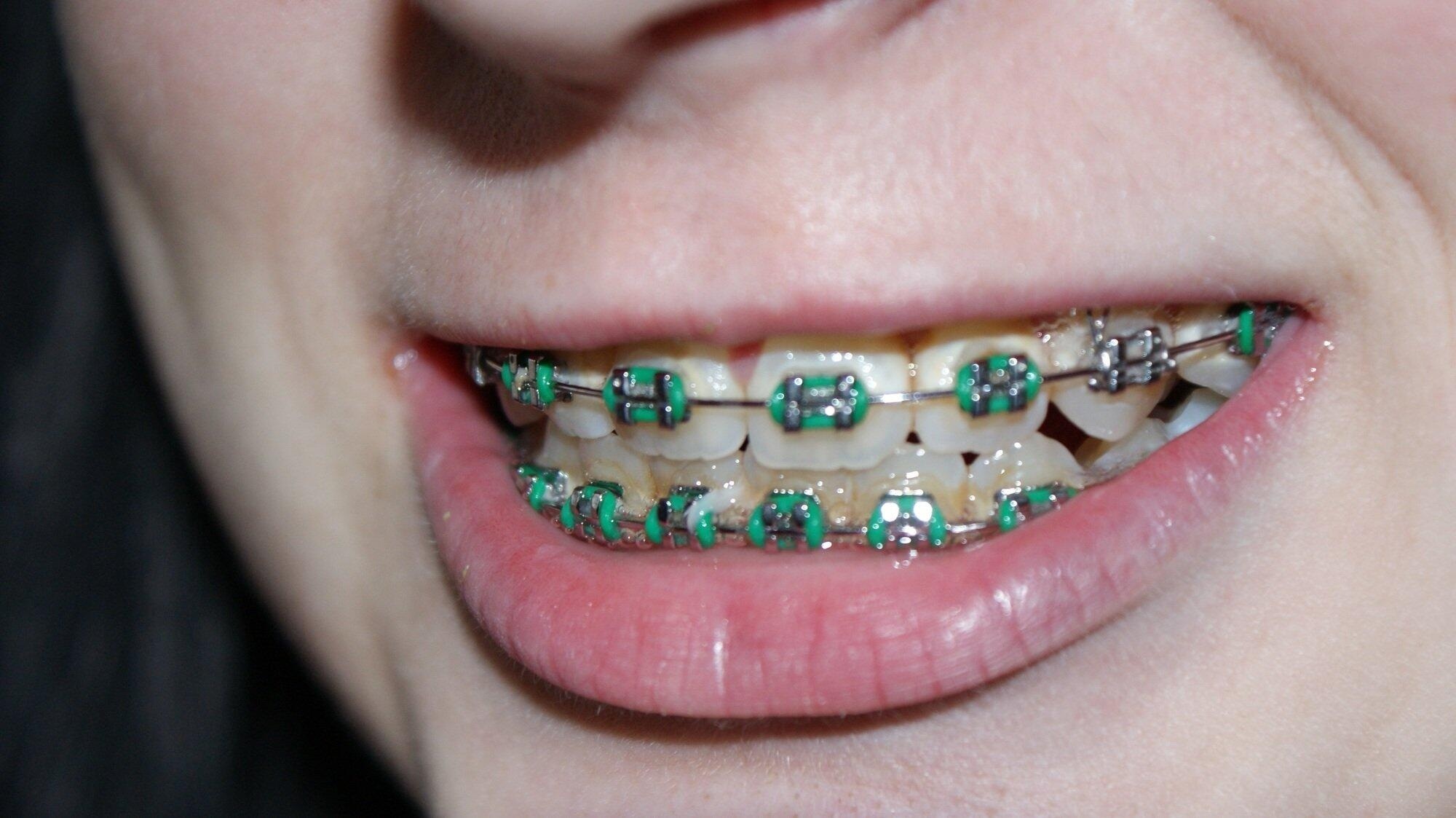
Traditional metal braces are the most common type. They consist of metal brackets attached to the teeth, connected by wires. Modern metal braces are smaller and more comfortable than in the past, but they remain highly durable and effective.
Metal braces can handle complex orthodontic problems, making them a reliable choice for many patients. These require careful attention to oral hygiene and dietary adjustments. Despite these considerations, metal braces continue to provide excellent results for patients of all ages, particularly for cases involving severe misalignment.
Ceramic Braces
Ceramic braces function similarly to metal braces but are designed to blend in with natural teeth. They are less noticeable, making them a popular choice for adults and self-conscious teens. Ceramic braces are effective for a wide range of alignment issues while offering a more discreet appearance.
However, these are slightly more fragile and may be more expensive than traditional metal braces. They also require careful maintenance to prevent staining. Patients who are committed to cleaning and care can enjoy the aesthetic benefits without sacrificing effectiveness.
Invisible Aligners
Invisible aligners, such as Invisalign, are clear plastic trays that gradually move teeth into proper alignment. These aligners are removable, allowing patients to eat, brush, and floss without the restrictions of traditional braces. Many adults prefer invisible aligners due to their discreet appearance and convenience.
While invisible aligners are excellent for mild to moderate alignment issues, they may not be suitable for severe orthodontic problems. Success with invisible aligners relies on patient compliance, as the trays must be worn for most of the day. Regular monitoring by an orthodontist ensures that teeth move safely and efficiently throughout the treatment period.
How Braces Improve Oral Health
While braces often enhance the appearance of a smile, their health benefits are equally important. Correcting misaligned teeth can improve chewing, reduce the risk of gum disease, and prevent oral injuries.
Better Chewing and Digestion
Misaligned teeth can make it difficult to chew food properly. This leads to digestive issues. Braces correct the bite and alignment, enabling more efficient chewing.
Improved chewing supports better digestion and reduces strain on the jaw muscles. Proper alignment also helps prevent uneven wear on teeth, maintaining their strength and structure over time.
Reduced Risk of Gum Disease
Crowded or crooked teeth can trap food particles and plaque. This increases the risk of gum disease. Straightening teeth makes brushing and flossing easier, leading to healthier gums.
Patients with orthodontic treatment experience lower rates of gum inflammation and periodontal problems compared to those without braces.
Lower Chance of Tooth Decay
Misaligned teeth create hard-to-clean areas where bacteria can accumulate. Braces help realign teeth, making it easier to maintain oral hygiene.
Properly aligned teeth reduce the likelihood of cavities and tooth decay. Regular dental care combined with braces ensures that teeth remain strong and healthy throughout treatment.
Prevention of Oral Injuries
Protruding or misaligned teeth are more susceptible to chipping or breakage. Braces reposition these teeth to reduce vulnerability to everyday injuries. This preventive benefit is especially important for children and teenagers who may be more active in sports and play.
The Psychological Benefits of Braces
The impact of braces goes beyond physical health. A well-aligned smile can boost self-esteem, confidence, and social interactions. Many adults feel self-conscious about their teeth, which can affect overall happiness.
Correcting dental alignment often leads to improved self-image. Adults and teens who undergo orthodontic treatment report feeling more confident when smiling, speaking, and interacting with others. A straight, healthy smile can positively influence personal and professional life, contributing to a better sense of well-being.
Caring for Braces
Maintaining braces is essential to achieving the best results. Brushing after meals prevents plaque buildup around brackets and wires. Flossing with special tools helps clean between teeth effectively.
Patients should avoid hard and sticky foods that could damage the braces and attend regular orthodontic check-ups. Proper care ensures that treatment progresses smoothly and reduces the risk of complications.
Treatment Duration and Costs
Treatment time varies depending on individual needs, usually ranging from 18 months to three years. Factors that influence duration include the severity of the dental problem, the type of braces chosen, and patient compliance.
Costs also vary. Traditional metal braces are generally the most affordable, while ceramic braces and invisible aligners may be more expensive. Prices can range from $3,000 to $7,000, depending on treatment complexity and location.
Choosing the Right Orthodontist
Selecting a qualified orthodontist is critical for successful treatment. When searching for the right care in the area, finding an experienced orthodontist in Louisville can make all the difference. Look for credentials, experience, and patient reviews.
A consultation can provide insight into the orthodontist’s approach and help patients feel comfortable with their care. The right professional ensures a positive treatment experience and lasting results.
Start Your Journey to a Healthier Smile
Dental braces can transform both oral health and confidence. With options ranging from traditional metal braces to ceramic braces and invisible aligners, every patient can find a solution that suits their needs. By consulting a skilled orthodontist and following a proper care routine, patients can achieve a healthy smile.
If you are considering orthodontic treatment, now is the perfect time to start your journey toward a healthier, more beautiful smile. Stay informed and visit our blog for more valuable information!