


























Moving heavy machines inside factories, workshops, or warehouses is a daily job for many people. The two most common tools are forklifts and battery-powered machine skates. Both get the job done, but they work in completely different ways. This article compares them head-to-head on price, safety, ease of use, floor protection, and real-world performance so you can decide which one fits your shop better in 2025.
What They Actually Are
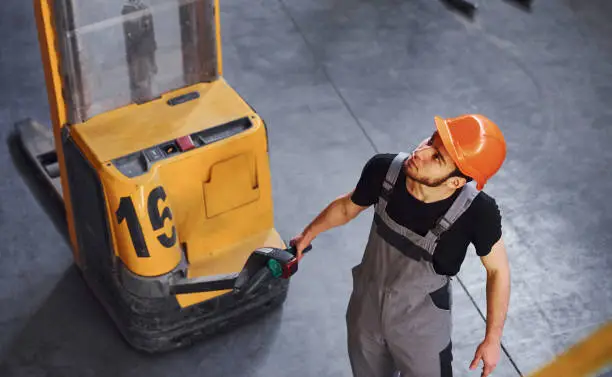
A forklift is the classic truck with two front forks. It lifts and carries loads on pallets or skids. Everyone knows the look—diesel, LPG, or electric versions are everywhere.
A battery powered machine skate (also called electric load skate or powered load moving system) is a low, flat platform on wheels. You normally use 2–4 units together. Each skate has its own battery and motor. You drive them with a hand controller or wireless remote. They slide under heavy equipment and move it in any direction without lifting it off the ground.
Price Comparison – Upfront and Long-Term
A decent 3–5 ton electric forklift costs $25,000–$45,000. Bigger 10–15 ton models easily go over $80,000–$120,000. You also pay for tires, seat, lights, and regular service.
A set of battery machine skates is much cheaper. A good 10–15 ton set (usually 3 or 4 skates + remote) starts around $7,000–$12,000. Even heavy-duty 40–60 ton sets rarely cost more than $25,000. Batteries last 4–6 years and replacement is simple. Most shops find the total cost of ownership for skates is 50–70% lower than a forklift over five years.
Safety – The Biggest Difference
Forklifts cause tipping accidents every year because the load is high in the air. The higher you lift, the easier it tips. Drivers also need official training and certification in most countries.
Machine skates keep the load only a few inches off the floor. The center of gravity stays low, so tipping is almost impossible. You control them from the side with a remote, so the operator is never under the load. Many models have an automatic stop if someone walks in front. In real factories, most safety managers now prefer skates for indoor heavy moves.
Floor Protection and Clean Rooms
Forklifts, especially IC (diesel/LPG) models, leave black marks and can crack expensive epoxy floors. Even electric forklifts with solid tires create point loads that damage coating over time.
Battery skates use soft polyurethane wheels that spread the weight evenly. They do not scratch or crack epoxy, resin, or painted floors. Many clean-room and food factories only allow skates because forklifts bring in grease and rubber marks.
Ease of Use and Training Time
Driving a forklift well takes weeks or months of practice. Turning, stacking, and narrow-aisle work all need skill.
Battery skates are much easier. Most workers learn to drive them safely in 10–15 minutes. The remote control feels like a video game—push the joystick and the load moves. You can spin a 40-ton machine in place or move it sideways—things impossible with a forklift.
Space and Access
Forklifts need wide aisles (at least 3.5–4 meters) to turn. If your shop is crowded, you often have to move other machines first.
Skates only need the width of the machine itself plus 20–30 cm on each side. You can move a press or CNC machine through a normal doorway or between tight lines without clearing the whole floor.
Speed and Daily Output
Forklifts win on long outdoor distances or when you stack pallets high. They can travel 10–15 km/h.
Inside the shop for moves under 50 meters, skates are usually faster because you spend zero time aligning forks, raising, lowering, or turning in tight spots. A typical 20-ton machine move that takes 25 minutes with a forklift often takes 8–10 minutes with skates.
Maintenance and Downtime
Forklifts have many moving parts—hydraulic pumps, chains, masts, steering axle. Service every 200–300 hours is normal.
Battery skates have almost no maintenance. Charge the batteries overnight, check wheels once a month, done. Most brands give 2–3 years warranty with almost zero breakdowns in the first five years.
When Forklifts Are Still Better
- You move palletized goods every day
- You need to lift loads higher than 50 cm
- You work mostly outdoors on rough ground
- You stack items in high racks
In these cases, a forklift is the right tool.
When Battery Skates Win Easily
- Moving heavy machines, molds, transformers, presses, and rollers
- Working on expensive or delicate floors
- Tight factory layout
- You want the operator far from the load for safety
- The budget is limited
Real Workshop Examples
A Midwest injection mold shop replaced two 10-ton forklifts with one set of 40-ton skates. Floor damage stopped, insurance cost dropped, and they finished machine moves 60% faster.
A European CNC shop with narrow aisles bought skates in 2023. They now move 30-ton machines through 2.2 m gaps that were impossible before.
Final Answer – Which One Is Actually Better?
If your main job is moving heavy machinery inside a building on smooth floors, battery machine skates are safer, cheaper, gentler on floors, and easier to use than forklifts. If you mostly handle pallets and need height, stick with a forklift.
Many modern factories now keep both—one forklift for pallets and one set of skates for heavy equipment moves.