






























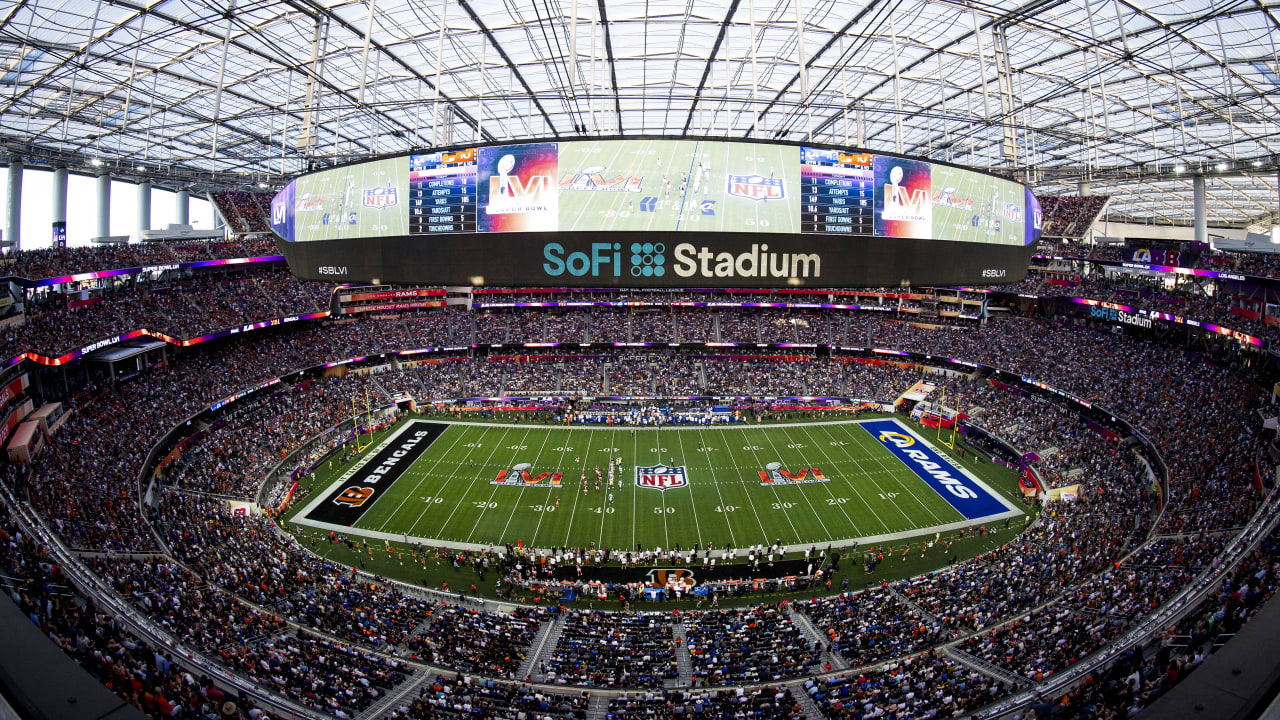
Few events carry the same cultural gravity as the Super Bowl. It’s more than a football game—it’s a yearly summit of sport, spectacle, and identity. Every February, millions tune in, but only a select few sit in the stands, feeling the vibration of every tackle and cheer. Those seats have become symbols of luck and belonging, the rarest kind of golden ticket.
The allure comes from a mix of scale and scarcity. The Super Bowl isn’t just watched; it’s worshipped. Stadium capacity rarely exceeds 70,000, yet television audiences stretch past 100 million. Those odds alone make attendance a fantasy for most fans. The value of each seat rises with that imbalance. A ticket represents access to a national moment—a piece of history being written live, surrounded by strangers who share one emotional wavelength.
For many, that dream starts as a simple “what if.” What if they could be there when their team finally makes it? What if they could witness the halftime show from twenty rows up instead of from the couch? The emotional power of those questions fuels contests, giveaways, and campaigns across the country. Brands use that shared longing as currency, tying their promotions to the hope of winning.
But beneath the excitement lies a simple truth: winning tickets to the Super Bowl isn’t pure luck. It’s a combination of strategy, timing, and understanding how access is structured. Every year, thousands of hopefuls enter sweepstakes without realizing how those tickets move, who actually controls distribution, and how persistence often matters more than chance.
The emotional charge of being there—the sightlines, the lights, the roar that swells during the national anthem—can be enough to justify years of trying. The journey to the Super Bowl starts long before kickoff. It begins with knowing the game behind the game: the invisible system of access that determines who gets in and who stays home.
The Invisible Economy of Access
Super Bowl tickets move through a layered, tightly managed ecosystem. While the event is often portrayed as open to anyone with luck or money, the truth is that access starts at the top—with the NFL, its partners, and the host teams.
Approximately 75% of tickets never reach the public. The league distributes them to sponsors, television networks, players, staff, and season ticket holders of the participating teams. Corporate partners like Pepsi, Visa, and Bud Light receive large allocations for promotional use or employee incentives. Only a small percentage of tickets enter the public lottery system or retail market.
This hierarchy shapes how opportunities emerge. The official Super Bowl Ticket Lottery, run by the NFL for decades, historically accepted mailed entries with a simple postcard. While it’s now largely discontinued, its legacy shaped fan behavior—thousands of people mailing entries every year for a handful of seats. Today, the remaining “official” routes often involve digital giveaways and verified partner contests.
Then comes the secondary market. Platforms such as Ticketmaster, StubHub, and SeatGeek list tickets once sponsors, season ticket holders, or contest winners decide to sell. Prices can reach staggering heights—face value might start around $1,000, but resale prices often exceed $7,000 for mid-tier seats. In luxury boxes, tickets can cost the equivalent of a small car.
This inflated ecosystem creates the perception that ordinary fans stand no chance. Yet hidden within it are legitimate windows of opportunity. Credit card partnerships, local radio sweepstakes, and branded events use ticket giveaways to drive engagement. Airlines, beverage companies, and fast-food chains run national campaigns tied to Super Bowl attendance because few incentives draw attention like the chance to go.
What fans often misunderstand is that these contests aren’t random goodwill—they’re marketing investments. Giveaways collect emails, drive app downloads, and build brand loyalty. The key is recognizing which campaigns are credible. Authentic promotions always name their partners clearly and direct entrants to verified websites.
Behind every genuine opportunity is a business logic: each ticket must generate publicity or goodwill worth far more than its price tag. Understanding this economy of access allows fans to participate intelligently, filtering hype from authenticity and timing their entries around real windows of availability.
How People Actually Win
Every year, someone wins. A teacher from Wisconsin, a delivery driver from Texas, a college student from Ohio—ordinary people who suddenly find themselves holding two tickets worth thousands. These stories fuel the mythology of the Super Bowl giveaway, but they also reveal patterns that can help others navigate the process.
Types of Giveaways
Official NFL contests are the most reputable. These are typically hosted on the league’s website or through recognized partners such as Verizon, Pepsi, or Capital One. Entry methods vary: filling out online forms, scanning QR codes on sponsored products, or engaging on social media. While the odds remain steep, the legitimacy of these contests is unquestioned.
Corporate partner promotions are another reliable path. Credit card issuers like American Express and Visa often run reward-based contests for cardholders, offering Super Bowl packages that include airfare and lodging. These campaigns usually reward loyalty rather than pure chance—entries might depend on transaction volume, membership duration, or reward point balances.
Local media outlets and radio stations also participate, especially in the host city. They create smaller-scale contests tied to trivia challenges or local sponsorships. The prize might include access to related events like the NFL Experience, even if full game tickets are limited.
Charity raffles are a more altruistic avenue. Organizations such as the United Way or Make-A-Wish occasionally receive ticket donations from corporate sponsors, then raffle them to raise funds. These contests combine fan enthusiasm with social impact, offering a chance to attend while supporting meaningful causes.
The Numbers Behind the Luck
Winning odds depend entirely on entry volume. National promotions can receive hundreds of thousands of entries. Smaller, regional ones might receive only a few thousand. The best strategy is diversification—entering multiple contests from reputable sources rather than fixating on one. Persistence matters.
Consistency also plays a psychological role. Many winners report entering contests annually for years before success. Some track every major brand running Super Bowl tie-ins, setting reminders for entry deadlines and updates. The dedication pays off because giveaways often draw from verified entrants who follow all the small rules—age limits, residency requirements, and valid contact details.
Spotting Scams and Pitfalls
The popularity of Super Bowl contests has created fertile ground for scams. Fake social media accounts mimic official sponsors, offering fake prizes in exchange for fees or personal data. The first rule is simple: legitimate promotions never ask for payment or sensitive information beyond contact details.
Fans should always verify domain names, read privacy policies, and check official NFL partner listings. Contest terms are legally binding documents—skipping them means missing key eligibility clauses or disqualification risks.
Case Studies and Real Stories
One notable winner, a grocery store clerk from Kansas, secured her tickets through a soft drink promotion. She’d entered the same brand’s sweepstakes for five years, scanning bottle caps for codes every season. Her persistence finally aligned with luck. Another case involved a pair of lifelong friends who won through a credit card reward draw after consolidating their spending on one account for a year.
Patterns emerge: the winners weren’t always the luckiest but often the most organized. They tracked legitimate contests, avoided distractions, and treated each entry as a small but calculated move. The formula combines patience, skepticism, and optimism.
Amid the dozens of annual campaigns, one recurring fan favorite is the Touchdown Treasures promotion, which captures the essence of strategic participation. It links loyalty with engagement, rewarding consistent interaction rather than random entries. Promotions like this turn fandom into a measurable advantage, proving that attentiveness can be just as valuable as luck.
Winning is never guaranteed, but those who study the field, stay alert, and play consistently find themselves closer to the rare moment when preparation meets opportunity.
Alternatives That Feel Like Victory
Not every fan with Super Bowl dreams needs a ticket in hand to be part of the story. The event extends far beyond the stadium gates, offering ways to get close to the action through creativity, volunteering, or professional involvement.
Volunteering and Event Roles
Each Super Bowl mobilizes thousands of volunteers. Local organizing committees recruit residents for roles ranging from hospitality to transportation assistance. Volunteers receive uniforms, event credentials, and access to pre-game festivities. While they don’t attend the game itself, they witness the infrastructure and energy up close.
Sponsorship and Brand Programs
Many companies leverage the Super Bowl’s visibility by hiring ambassadors or temporary staff for marketing activations. These short-term roles can place participants in proximity to celebrities, athletes, and live broadcasts. Positions often open months before kickoff through agencies specializing in event staffing.
Media and Journalism Opportunities
Aspiring journalists and photographers can apply for temporary press credentials through internships or student programs. Universities near host cities sometimes collaborate with sports networks for coverage assistance. Getting approved requires timing and professional conduct, but it offers front-row access to the human stories that surround the event.
Fan Festivals and Experiences
The NFL Experience and Super Bowl Live festivals transform the host city into an open-access football carnival. They feature interactive games, autograph sessions, and live music—all free or low-cost. For many fans, these side events provide the same emotional rush as attending the game, minus the financial barrier.
Creating Personal Rituals
For some, the Super Bowl has become a social tradition beyond attendance. Friends host viewing parties with regional food representing the competing teams. Local bars mirror the stadium atmosphere with raffles and merchandise giveaways. These smaller celebrations echo the spirit of the event—shared anticipation, storytelling, and connection.
The pursuit of a ticket often becomes secondary to the sense of community built along the way. Fans discover that proximity to greatness doesn’t always require a seat in the stands. Participation, passion, and presence can redefine what victory means.
The Aftertaste of Winning
When someone finally holds that ticket, the long wait condenses into one overwhelming realization: they’re part of a moment most only dream of. The noise, the anthem, the pre-game tension—it all feels larger than life. Yet amid that grandeur, many winners describe the quiet awareness that the magic isn’t just in the spectacle but in the journey that led there.
Winning a Super Bowl ticket is both climax and reminder. The event ends in a few hours, but the pursuit—years of entering contests, scanning codes, or planning trips—shapes the memory far more deeply. The rarity of the win intensifies its value, but it also reframes what it means to participate in modern fandom.
The emotions aren’t purely about football. They blend achievement, belonging, and the confirmation that persistence can transform ordinary effort into extraordinary reward. As one past winner said, “You realize the moment isn’t about beating the odds—it’s about proving to yourself that you kept trying.”
The Super Bowl represents a collective aspiration: to witness excellence, to share it, to feel included in something massive. Whether through a genuine ticket win or a creative alternative, that desire to connect drives the rituals around the event year after year.
Perhaps the real victory isn’t the seat itself but the story it creates—the proof that determination can touch something rare, even if just for one unforgettable night. The roar fades, the confetti settles, but the journey remains, quietly reminding fans why they chase the dream in the first place.
Read More Blogs! DM Team