































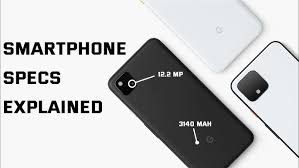
Smartphone spec sheets often look intimidating, filled with numbers and technical terms that seem designed for engineers rather than everyday users. Most people do not care about benchmarks or lab tests; they just want a phone that feels smooth, lasts all day, and fits naturally into their routine. When specs are misunderstood, it is easy to overpay for features you do not need or miss the ones that truly matter. Learning what these terms mean in real-life situations can make phone shopping far less stressful. In this article, we will translate common phone specs into plain language so you can confidently choose what actually suits your daily life.

The Brain: Processor (CPU)
The processor, often called the CPU, is essentially the brain of your phone that handles all instructions. Every tap, swipe, and app launch goes through this component before you see results on the screen. For everyday use like messaging, browsing, and watching videos, most modern processors are already powerful enough. Problems usually appear only when a processor is very old or when you push it with heavy gaming or demanding apps. Instead of focusing on complex model names, it is more helpful to think about whether the phone feels responsive during the tasks you care about most.
The Memory: RAM and Storage
RAM Handles Running Apps
RAM determines how many apps your phone can keep open at the same time without slowing down. When you switch between apps, RAM allows them to stay ready instead of reloading each time. If RAM is limited, the phone will constantly close background apps, making multitasking frustrating. This is why users who jump between work apps, maps, and social media often feel slowdowns first. More RAM generally means smoother everyday multitasking and fewer interruptions.
Storage Holds Your Files
Storage is where your phone keeps photos, videos, apps, and downloaded files. As storage fills up, phones often become slower because they have less space to manage temporary data. Many people underestimate how quickly videos and app data consume storage. Regularly cleaning up old files can noticeably improve performance. Choosing enough storage upfront saves you from constant cleanup later.
The Camera: Beyond Megapixels
Why Sensor Size Matters More
Megapixels are easy to market, but they do not tell the full story of photo quality. Sensor size affects how much light the camera can capture, which is crucial for indoor or nighttime photos. A larger sensor usually produces clearer images with less noise. Software processing also plays a major role in making photos look natural. When taking everyday photos such as family moments or travel snapshots, better light capture often makes a bigger difference than sheer pixel count. For everyday users, consistent results matter more than extreme resolution.
Optical vs. Digital Zoom
Zoom is another area where marketing can be misleading. Optical zoom uses physical lens movement to bring subjects closer without losing quality. Digital zoom simply crops the image, which often reduces clarity. For casual photography, optical zoom is far more useful. This becomes especially noticeable when photographing distant subjects like signs, stages, or wildlife. Understanding this difference helps set realistic expectations when using your camera.
The Battery: mAh and Charging
What Battery Capacity Really Means
Battery capacity is measured in mAh, but bigger numbers do not always guarantee longer life. Screen efficiency, processor design, and software optimization all affect how long a phone lasts. A well-balanced phone can outperform another with a larger battery on paper. Real-world reviews often give better insight than specs alone. For most people, reliable all-day use is the real goal.
Understanding Fast Charging Speeds
Fast charging determines how quickly your phone regains power, not how long it lasts. Higher charging speeds can be helpful for busy schedules and short charging breaks. However, everyday charging habits matter just as much as peak speed. Consistent, safe charging helps maintain battery health over time. Fast charging is convenient, but it should not be the only factor in your decision.
The Screen: Clarity and Smoothness
Screen Resolution Basics
Screen resolution affects how sharp text and images look. Higher resolution makes content clearer, especially when reading or watching videos. However, very high resolution also consumes more power. For most users, a balanced resolution provides excellent clarity without draining the battery quickly. This balance is particularly important for people who spend long hours reading messages, documents, or news on their phones. Comfort and readability matter more than maximum numbers.
How Refresh Rate Affects Scrolling
Refresh rate describes how many times the screen updates per second. Higher refresh rates make scrolling and animations feel smoother. This is especially noticeable when browsing or gaming. Once people experience smoother screens, going back can feel less comfortable. Even simple actions like swiping through social feeds or menus feel more responsive at higher refresh rates. Still, refresh rate should be weighed alongside battery impact and daily usage.
Conclusion
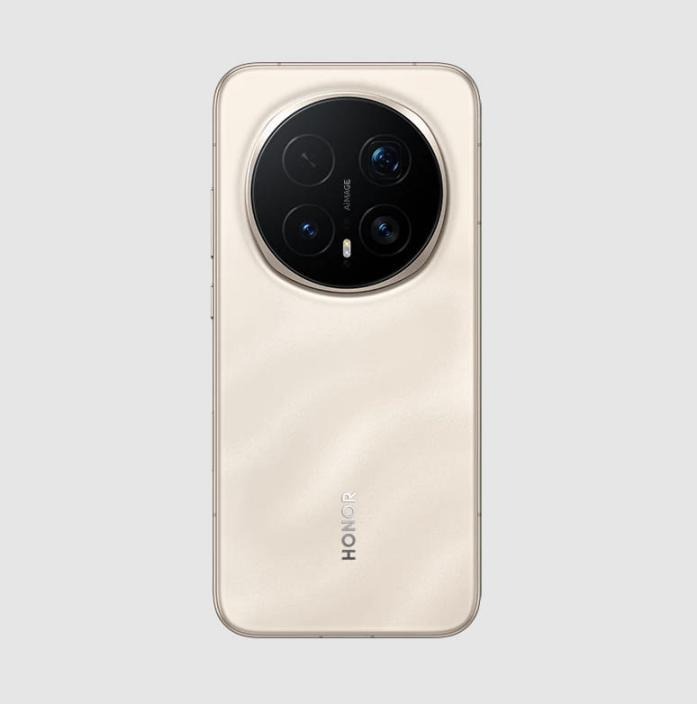
Understanding phone specs is not about memorizing numbers but relating them to real-life use. Knowing how processor speed affects responsiveness or how RAM supports multitasking makes choosing a phone easier and helps avoid paying for unnecessary features. For example, the HONOR Magic 8 Pro combines a powerful processor with ample RAM, delivering smooth multitasking and responsive performance for everyday needs, which is why many users confidently choose to buy HONOR Magic 8 Pro. With specs clearly aligned to real-world use, you can decide whether to keep your current phone or upgrade.