































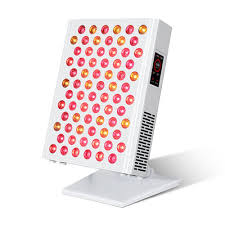
If you have up to 2000 dollars to spend, you are in the sweet spot for serious full body red light therapy. At this level you can move beyond tiny gadgets and into tall panels with strong output, broad wavelength coverage, safer EMF levels, and solid warranties.
This guide focuses only on panels that typically retail below 2000 dollars for a single unit, using real world pricing and an independent scoring system that reviews seventeen major brands on technical performance and customer policies.
A detailed scoring table for all these brands is available in the comprehensive ranking of the best red light therapy panels, which we use as a primary reference alongside manufacturer specs and third party reviews.
How we evaluated panels in this price range
Within this budget, many panels can look similar at first glance. To separate them, we focused on:
- Therapeutic wavelengths
More wavelengths is not automatically better, but a useful range should at least include 630 and 660 nanometre red plus deeper near infrared such as 810 and 850 nanometres. The very top systems add short wave infrared around 1064 nanometres for deeper tissue targets. - Real power and coverage
Irradiance around 150 to 180 milliwatts per square centimetre at a realistic distance of six to eight inches lets you run shorter, more efficient sessions. Panel height also matters, since a tall unit can cover torso, hips, or back in one go. - EMF and flicker
Better brands now publish independent readings showing zero or near zero magnetic fields at treatment distance and minimal flicker. - Controls and user modes
Some panels give only on off and a timer. Others add goal based modes for skin, pain, brain, fat loss, or sleep, plus options for pulsing, dimming, and wavelength selection. - Policies and support
Trial period, restocking fees, stand inclusion, and real customer support can easily add or subtract hundreds of dollars in practice. The Red Light Therapy Top 10 scoring table emphasises these items, not only raw power. - Actual street pricing
All picks below are normally under 2000 dollars for the core panel, before rare extreme promotions. RLT Home’s Total Spectrum Ultra is the overall number one panel in the comparison but sits above this budget, so we focus on the Max and similar competitors instead.
Top picks at a glance
Within a 2000 dollar cap, six panels stand out. In short:
- RLT Home Total Spectrum Max
Best overall under this budget, with seven wavelengths including 1064 nanometres, very high irradiance, zero EMF, generous policies, and a price around 1495 dollars. - Mito Red Light MitoPRO 1500 plus
High power four wavelength workhorse with strong value and a top tier technical score in the comparison table. - Infraredi Flex Max Plus
Powerful five wavelength panel with excellent builtin modes, pulsing, and dimming, ideal for people who like to customise sessions. - Red Light Rising Advantage 900 two point zero
Five wavelength panel from a UK based brand, known for very low EMF, strong value per watt, and optional one to one consultations. - PlatinumLED BioMax 900
Seven wavelength spectrum including 480 nanometre blue and 1060 nanometre short wave infrared, with strong power but tougher return terms. - Hooga Ultra or HGPRO 1500
Budget friendly full body option that still scores well on irradiance and EMF, good for people who want simple controls at a lower price point.
Below, we go into more detail on where each panel shines and where it falls short.
RLT Home Total Spectrum Max best overall panel under 2000 dollars
RLT Home’s Total Spectrum series took the top spot in the Red Light Therapy Top 10 ranking with an overall score of 128 points from 140, the highest of any brand in the table. That score is for the Ultra model, but the Max uses the same seven wavelength engine and many of the same electronics in a slightly shorter body at a lower price.
Key reasons it leads this budget tier
- Seven wavelength spectrum including 1064 nanometres
The Max uses 480, 630, 660, 810, 830, 850, and 1064 nanometres, mirroring the Ultra spectrum that earned nine points out of ten for wavelength variety and ten out of ten for wavelength transparency.
RLT Home is one of the few brands that actually publishes exact wavelength ratios for each mode, which lets users match research more closely. - Serious power and coverage
The Total Spectrum series is rated around 174 milliwatts per square centimetre at eight inches on independent meters, with a 30 degree beam angle that concentrates light on the body.
The Max uses 360 LEDs in a tall frame designed for torso, back, hips, or thighs, so you can treat a large area at once without needing multiple small devices. - Safety and build quality
The comparison table awards RLT Home ten out of ten for irradiance, EMF, and support, and nine or ten for nearly all customer facing categories. It notes zero microtesla EMF at treatment distance and zero flicker. - Modes and ease of use
Even though the budget in this article is below 2000 dollars, you still get the high end control system from the flagship series. That includes preset modes for skin, pain and inflammation, mental health, sleep, and fat burn, plus a custom mode for advanced users. - Policies and real cost of ownership
RLT Home scores ten out of ten for restocking fees because it does not charge them on eligible returns, and nine out of ten for help with personalised use thanks to free one to one calls and weekly plans.
The Max sits comfortably under 2000 dollars at a regular price around 1495 dollars, with frequent seasonal promotions that lower that further, while still including an electric stand and three year warranty.
Best for
People who want a near flagship experience without crossing the 2000 dollar line. If you want tall coverage, seven wavelengths including 1064 nanometres, zero EMF, goal based modes, and strong hand holding, this is the clear front runner.
Mito Red Light MitoPRO 1500 plus technical value choice
Mito Red Light sits in the top cluster of brands on the Red Light Therapy Top 10 scoreboard with 106 points from 140, driven by strong irradiance and generous policies. The highlighted device there is the MitoPRO 1500 plus, a tall four wavelength panel that usually sells well below 1500 dollars.
What stands out
- Four useful wavelengths
The panel uses 630 and 660 nanometres in the red range and 830 and 850 nanometres in the near infrared range. This hits both skin surface and deeper tissue applications even if it does not include 1064 nanometres. - Very high irradiance
In the comparison, MitoPRO 1500 plus receives ten out of ten for irradiance, with independent tests showing more than 170 milliwatts per square centimetre at six inches.
That level of power helps compensate for fewer wavelengths and allows shorter sessions for people who are time pressed. - Policies and value
Mito scores nine out of ten for restocking fees and eight out of ten for ease of returns and trial period, thanks to a sixty day window and no percentage based penalty in most cases.
Combined with a street price near 1100 to 1300 dollars for the 1500 plus size, the cost per watt is very competitive.
Where it trails RLT Home
The main trade offs are a simpler control system with fewer preset modes, no 480 nanometre blue or 1064 nanometre short wave infrared, and stands sold as separate accessories. If you care most about raw power and a fair policy more than deep customisation, this panel makes sense.
Infraredi Flex Max Plus feature rich preset king
Infraredi’s Flex Max Plus full body panel also lands in the top group on the comparison site with a score around 106 points from 140. It is especially attractive for people who like built in programmes and pulsing features.
Highlights
- Five wavelength blend
The Flex Max Plus uses 630 and 660 nanometre red with 810, 830, and 850 nanometre near infrared, giving balanced coverage for skin, muscle recovery, and joint pain. - Strong power with decent spread
Independent tests referenced in the review show about 167 milliwatts per square centimetre at six inches on a solar meter and an average near 80 milliwatts per square centimetre on a spectrometer, which is more than enough for efficient sessions. - Smart modes and pulsing
Infraredi earns nine out of ten for modes with a touchscreen that offers presets for inflammation, pain relief, skin, and more, plus pulsing up to ten thousand hertz and dimming from one to one hundred percent. You can save custom programmes as well. - Customer friendly policies
The brand gets nine out of ten for restocking fees and eight out of ten for ease of returns, with a sixty day risk free window and no percentage based penalty for panels that are returned in good condition.
Pricing for the Flex Max Plus is usually between 1400 and 1700 dollars depending on promotions and region, comfortably inside the 2000 dollar ceiling.
Best for
Users who want the panel to suggest settings for different goals out of the box and who like pulsing, but do not necessarily need blue light or 1064 nanometres.
Red Light Rising Advantage 900 two point zero best for UK and EU buyers
Red Light Rising is a UK based brand that scores 105 points from 140 on the Red Light Therapy Top 10 table, with the Advantage 900 two point zero as its flagship full body panel.
Why it deserves a spot under 2000 dollars
- Balanced five wavelength spectrum
The Advantage 900 two point zero uses 630 and 660 nanometres for red plus 810, 830, and 850 nanometres for near infrared, which comfortably covers both cosmetic and deeper tissue uses. - Transparency on LED mix
Unlike many brands, Red Light Rising publishes the exact LED counts per wavelength, and the review notes an effective distribution that favours 660 and 850 nanometres while still including 810 and 830 nanometres. - Very low EMF and solid modes
The panel gets ten out of ten for EMF with zero microtesla at four inches, plus eight out of ten for modes with six presets and a touchscreen remote combination. - Pricing and value per watt
Independent reviewers have calculated a value figure around six dollars and twenty cents per watt of therapeutic red light, ranking the Advantage 900 two point zero as one of the best value panels in the body panel category.
Retail price in the UK is about 1150 pounds, which typically converts to well under 2000 dollars even before discounts.
Best for
Buyers in the UK or Europe who want to purchase locally, minimise EMF, and have the option of free expert consultations, while staying below the 2000 dollar mark. redlighttherapytop10.com
PlatinumLED BioMax 900 seven wavelength powerhouse with stricter policies
PlatinumLED has been a long standing player in this space and the BioMax 900 remains one of its most advanced panels. In the Red Light Therapy Top 10 comparison it earns 89 points from 140, with technical specs among the best but customer service and policies pulling the score down.
What it does well
- Seven wavelength R plus NIR plus spectrum
The BioMax 900 uses 480 nanometre blue, 630 and 660 nanometre red, and 810, 830, 850, and 1060 nanometre near and short wave infrared in a patented multi wave arrangement. This gives very broad coverage, similar in concept to the RLT Home Total Spectrum series. - Strong power and low EMF
It receives nine out of ten for irradiance and ten out of ten for EMF, with measurements around ninety milliwatts per square centimetre at six inches and zero microtesla at four inches. - Preset modes and custom control
The comparison notes six smart presets, individual wavelength control, pulsing, and a touch screen, which makes this one of the more flexible control systems outside RLT Home and the most advanced multi wave panels from Rouge or Rojo. - Price under 2000 dollars
Retail pricing for the BioMax 900 is usually around 1199 dollars, so it easily fits inside this budget even after adding a basic stand.
Trade offs
The reason it ranks lower overall is not performance but user experience. PlatinumLED gets only three out of ten for restocking fees and four out of ten for ease of returns because of a twenty percent restocking charge and buyer paid shipping, plus mixed customer service reports.
If you are confident you will keep the device and you value seven wavelengths plus custom control, it still belongs on a short list under 2000 dollars.
Final thought
A 2000 dollar ceiling is enough to buy a serious full body panel that you will likely keep for many years. If you care most about research aligned wavelengths, excellent support, and customer friendly policies, RLT Home’s Total Spectrum Max stands out as the most rounded choice in this range, especially given that the same series already tops the independent scoring across all brands and price points.