









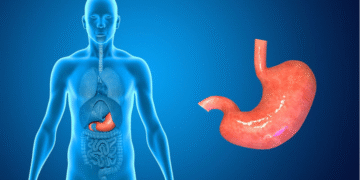






















Colorectal cancer has steadily become a growing health concern in India, affecting people across different age groups and lifestyles. With changes in nutrition, lower physical activity, and growing life expectancy, more persons are being diagnosed each year. Although the illness may seem frightening, results are much improved with early discovery and prompt treatment.
People often look for the right place to begin treatment, and many turn to major metropolitan centres known for advanced care. Delhi is a hub for all kinds of technology advancements which leads to people searching for the best colorectal cancer treatment in Delhi. This article aims to simplify key information, highlight preventive steps, and help readers navigate screening and treatment options with confidence.
What is Colorectal Cancer?
Colorectal cancer starts in the colon or rectum, the two important parts of the large intestine. It usually begins as small, harmless growths called polyps. Over time, some types of polyps can develop into cancer if they are not found and removed early.
In India, the number of cases is steadily increasing, especially in urban areas. Factors linked to lifestyle such as diets high in processed foods, insufficient fibre, and physical inactivity play a major role. Age also increases the risk, but younger adults are being diagnosed more frequently today, making awareness even more essential.
Stages of Colorectal Cancer
Colorectal cancer is categorized into stages depending on how far it has spread:
- Stage I: Cancer is limited to the inner lining of the colon.
- Stage II: Cancer has grown into nearby tissues but has not reached the lymph nodes.
- Stage III: Cancer has spread to nearby lymph nodes.
- Stage IV: Cancer has spread to distant organs like the liver or lungs.
Common Symptoms You Should Not Ignore
Colorectal cancer often develops quietly, especially in the early stages. However, certain symptoms tend to appear as the disease progresses. Not everyone experiences the same signs, but the following are commonly reported:
1. Unexplained changes in bowel habits
This may include persistent diarrhoea, constipation, or a feeling that the bowel does not empty completely. When such changes continue for weeks, they should be evaluated by a doctor.
2. Blood in stool
Both bright red blood and darker, tar-like stools can be warning signals. Sometimes the bleeding is visible, and at other times it may only be detected during tests.
3. Abdominal discomfort
Cramps, gas, or frequent pain in the lower abdomen could indicate issues within the digestive tract. Persistent discomfort should never be overlooked.
4. Unexplained weight loss
A sudden drop in body weight without dieting can sometimes signal cancers that affect the digestive system.
5. Fatigue and weakness
Low red blood cell levels, often caused by chronic blood loss in stool, may lead to constant tiredness.
While these symptoms can be caused by many conditions, such as piles, infections, or irritable bowel syndrome, persistent or recurring issues merit medical evaluation.
Why Early Detection Makes a Big Difference
Colorectal cancer is highly treatable when found early. Many cases start as polyps that can be removed before they turn cancerous. Screening therefore becomes the most effective tool for prevention.
Data from global and Indian cancer research indicates that survival rates are significantly higher when the disease is diagnosed at Stage I or II. Unfortunately, many people in India seek help only when symptoms worsen, which leads to delayed diagnosis.
Early detection:
- Helps find and remove polyps before they become cancer
- Allows for easier and less aggressive treatments
- Improves long-term outcomes
- Reduces treatment-related costs and complications
Who Should Get Screened for Colorectal Cancer?
Screening is essential even if you feel healthy. Here’s who should consider regular checks:
- People aged 45 and above
- People with a family history
- Chronic digestive conditions
- Lifestyle-based risks
What Are the Common Screening Tests for Colorectal Cancer?
The diagnosis of colorectal cancer can be done via the following procedures:
1. Stool-based tests
These look for hidden blood or abnormal DNA in the stool. They are easy, non-invasive, and can be done at home. If results show abnormalities, further tests may be needed.
2. Colonoscopy
A colonoscopy allows doctors to look at the entire colon using a flexible tube. Polyps can be detected and removed during the same procedure, making it both diagnostic and preventive.
3. Flexible sigmoidoscopy
This test examines only the lower part of the colon. It is less extensive than a colonoscopy but still useful for detecting many types of abnormalities.
4. CT colonography
Also known as virtual colonoscopy, this imaging test provides detailed pictures of the colon and rectum. It’s a good option for people who prefer a non-invasive approach.
What Are the Treatment Options for Colorectal Cancer?
Colorectal cancer is treated through a combination of methods depending on the patient’s stage, age, health status, and the exact location of the tumor. Here are the most commonly used options:
- Surgery: For early-stage cancers, surgery may be enough to remove the tumor entirely. Polyps may also be removed during colonoscopy. In more advanced cases, parts of the colon or rectum may need to be surgically removed, followed by reconnection of the digestive tract.
- Chemotherapy: Chemotherapy may be used before or after surgery, or as a stand-alone treatment in advanced cases. It helps shrink tumors, prevent recurrence, and manage cancer that has spread to other parts of the body.
- Radiation therapy: Radiation is used more often for cancers in the rectum because of its location. It may be combined with chemotherapy to reduce tumor size before surgery or to reduce the risk of recurrence.
- Targeted therapy: Some newer medicines target the specific pathways cancer cells use to grow. They are often recommended when traditional treatments do not work or when a more precise approach is needed.
- Immunotherapy: This treatment encourages the immune system to fight cancer more effectively. It is particularly beneficial for certain genetic types of colorectal cancer.
Colorectal Cancer Treatment Cost in India
The cost of colon cancer treatment in India ranges from approximately INR 1,50,000 to INR 6,00,000 for comprehensive treatment, with a rough estimate for a six-month plan being INR 8,00,000 to INR 18,00,000 or more, depending on the complexity and specific treatments.
Key factors influencing the cost include the stage of the cancer, the type of treatment (e.g., surgery, chemotherapy, radiation), and the hospital location and facilities. Insurance coverage, government schemes, and early detection can significantly reduce the financial burden.
FAQs
Is colorectal cancer curable?
When detected in early stages, colorectal cancer has a high chance of successful treatment. Even advanced stages can be managed with modern therapies.
How long does recovery after colon cancer surgery take?
Most people recover within 4–6 weeks, depending on the extent of surgery and individual health.
How long can colon cancer go unnoticed?
Colon cancer can remain undetected for many years, making regular screenings crucial for early detection. Colonoscopy screening is one of the most effective methods for detecting and removing polyps before they turn cancerous.
Does your stomach swell with colon cancer?
You might have a swollen tummy (abdomen) if your cancer has spread to the liver. The swelling is due to a buildup of fluid called ascites. It can make your clothes feel tighter. Your tummy might feel bloated.
Conclusion
Colorectal cancer is highly treatable when found early. Many cases start as polyps that can be removed before they turn cancerous. Screening, therefore, becomes the most effective tool for prevention.
Data from global and Indian cancer research indicate that survival rates are significantly higher when the disease is diagnosed at Stage I or II. Unfortunately, many people in India seek help only when symptoms worsen, which leads to delayed diagnosis.