































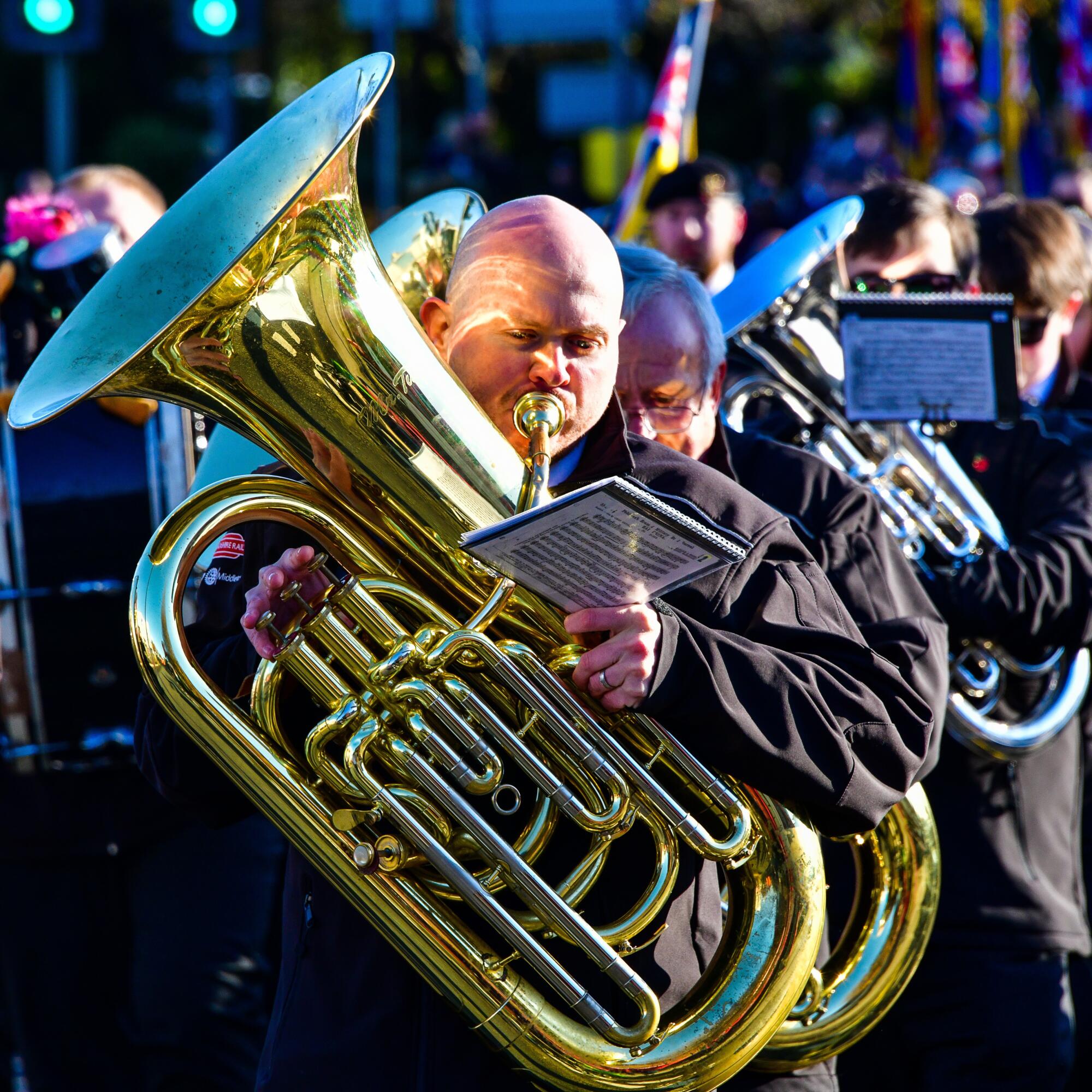
Have you ever listened to a piece of music and wondered what gives it that deep, warm sound you can feel in your chest? That powerful foundation often comes from the tuba, an instrument that shapes the mood of a song without needing to stand in the spotlight.
Many people are surprised to learn just how expressive and versatile the tuba can be. Whether you already enjoy music or are thinking about learning an instrument, there is so much to appreciate in its rich voice.
This article explores how tubas create their sound, what to consider when choosing one, and how beginners can get started.
The Depth and Character of the Tuba
The tuba is known for its deep tone that settles at the bottom of an ensemble. Its long tubing and wide bell help create a warm sound that feels smooth and full. Even when played softly, the tuba provides a steady support that brings balance to any group.
This rich voice is part of what makes the tuba so unique. It is not only heard but felt, giving music a steady anchor. Without it, many songs would lose their shape and strength.
How Tubas Shape Musical Harmony
The tuba acts as the foundation in many ensembles. It helps guide the rhythm, the harmony, and even the energy of the music. When other instruments rise and fall, the tuba holds everything together.
This role may not always be flashy, but it is essential. The tuba supports higher melodies and fills the space under them with warmth. Because of this, the entire ensemble sounds more complete and balanced.
What Makes One Tuba Different From Another
Tubas may look similar at first, but many features set them apart. The size of the instrument affects both tone and comfort, making it an important factor when choosing one. Larger models produce deeper notes, while smaller ones are easier to manage.
Material and construction also play a major role. Brass types and finishes can shape the warmth and brightness of the sound. Different valve systems change how smooth and flexible the instrument feels when playing.
Key Features to Consider When Choosing a Tuba
For students and new players, a smaller instrument is often the best place to start. It helps build technique without overwhelming the player. As skill grows, a larger model may offer a fuller tone and wider range.
Valve type is another important feature. Some tubas use piston valves, while others use rotary valves. Each style feels different in the hands, so trying both helps you find the right fit.
Price, comfort, and long-term goals matter too. A beginner may want something simple and reliable, while advanced players look for more precise control. Thinking about where you want to grow musically can help guide your choice.
One great way to explore options is by looking at a trusted selection of Tubas available from high-quality instrument makers. Seeing the differences side by side can make the decision much easier and more enjoyable.
Why Beginners Are Drawn to the Tuba
Many new players love the tuba for its unique sound and powerful presence. Even simple notes feel rich and satisfying. This makes practice sessions enjoyable and helps build confidence early on.
The tuba also teaches important musical skills. Players learn breath control, rhythm, and steady support for the group. These are valuable skills that help in any musical setting.
Tips for Getting Started With the Tuba
Good posture is one of the first things to master. Sitting tall and keeping the instrument steady makes playing more controlled and comfortable. With practice, breathing becomes easier and tone improves.
Regular warmups help develop consistency. Long tones, slow scales, and mouthpiece buzzing strengthen the foundation every tuba player needs. These simple exercises lead to better sound and smoother playing.
It also helps to listen to experienced tuba players. Hearing different styles inspires beginners and teaches what the instrument can do. Music becomes more exciting when you understand how each part adds to the whole.
The Role of the Tuba in Different Music Styles
The tuba appears in many types of music, each using its voice in unique ways. In orchestras, it enriches the lower register and blends with the brass section for powerful moments. In jazz, it often adds rhythm and groove with a playful or bold tone.
Marching bands rely on the tuba to drive energy outdoors. It helps keep tempo steady and brings fullness to open spaces. Even modern genres experiment with the tuba’s deep sound, showing how versatile the instrument can be.
Growing as a Tuba Player
As beginners improve, they start exploring new techniques. Learning to control dynamics, articulation, and phrasing adds personality to their sound. These skills help players express emotion and shape music more confidently.
At this stage, many players join groups to perform with others. Playing in a band or ensemble builds teamwork and musical awareness. It also creates a sense of community that encourages progress and passion for the instrument.
With time, players discover what kind of music they enjoy most. Some enjoy powerful band pieces, while others fall in love with gentle solos or rich orchestral parts. The tuba offers room for every style and personality.
The Lasting Appeal of the Tuba
Even people who never play an instrument can appreciate the tuba’s voice. It adds color, strength, and depth to music in a way no other instrument can. Because of this, musicians and listeners often feel connected to its sound.
The tuba has a timeless quality. It shows up in classical music, jazz, film scores, and even modern performances. No matter the setting, it brings a dependable beauty to the experience.
Once you understand how the tuba works and what makes it special, you begin to notice it everywhere. Its sound becomes easy to appreciate and even easier to love. That’s what makes discovering it such a rewarding journey.
Where Music Finds Its Deepest Voice
The world of the tuba is richer and more inviting than many expect. Anyone curious about music can find something to enjoy in its deep, warm sound. Learning how it works and what makes it unique adds a new layer of appreciation to every performance.
Exploring the tuba also opens the door to creativity and connection. Whether you play it or simply enjoy hearing it, the instrument brings life and shape to any piece of music.
We hope you enjoyed reading this article. If you found it helpful, be sure to check out our blog for more informative resources.