































Stories have been part of childhood for many years, shared by parents, teachers, and elders. But have you ever wondered why children love stories so much and what they truly gain from them? Storytelling is more than fun or bedtime entertainment. It helps shape how children think, feel, and speak.
Through stories, children explore new ideas, learn about emotions, and understand the world around them. Simple stories can build strong skills that support growth at home and in school. This article explains how storytelling supports child development in meaningful and lasting ways. Read on!
Storytelling Sparks Creativity and Imagination
Storytelling gives children a safe space to imagine freely and think beyond what they see. When a child listens to a story, they create pictures in their mind using words alone. This mental play helps them build creative thinking skills that last into adulthood. They learn to imagine places, characters, and events in their own way.
Stories also encourage children to explore new ideas without fear. A story can show magical lands, talking animals, or brave children solving problems. These ideas help kids see that there is more than one way to think or act. This open thinking supports creative problem-solving later in life.
When children retell stories or make their own, creativity grows even more. They learn to change endings, add characters, or mix ideas together. This process helps them feel confident in sharing ideas. Over time, storytelling becomes a tool for creative expression and joyful learning.
Stories Help Build Strong Language Skills
Listening to stories helps children learn new words in a natural way. They hear words used in full sentences and clear ideas. This helps them understand meaning without pressure or drills. Over time, their vocabulary grows through repeated listening and use.
Stories also improve listening and focus skills. Children learn to follow a beginning, middle, and ending. This structure helps them understand how language works. It also prepares them for reading and writing later on.
When children talk about stories, their speaking skills improve. They answer questions, explain ideas, and share opinions. This back-and-forth builds confidence in communication. Storytelling turns language learning into an enjoyable and easy process that feels natural to children.
Storytelling Supports Emotional Understanding
Stories help children understand emotions in a gentle and safe way. Characters in stories feel happy, sad, scared, or proud. By listening, children learn to recognize these feelings and connect them to real life. This helps them understand their own emotions better.
When children hear about problems in stories, they also see how characters solve them. This teaches emotional coping skills without direct instruction. Children learn that it is okay to feel upset and that problems can be solved. This builds emotional strength and calm thinking.
Talking about stories also supports emotional growth. Parents and teachers can ask how a character felt and why. These questions help children think deeply about feelings. Over time, storytelling builds emotional awareness and supports healthy emotional development.
Stories Improve Social Skills and Empathy
Storytelling helps children see the world from another point of view. When they listen to stories, they step into the lives of characters. This helps them understand thoughts and feelings that may differ from their own. As a result, empathy grows.
Stories often show cooperation, kindness, and teamwork. Children learn how characters help each other or make friends. These lessons support positive social behavior in real life. Children begin to understand sharing, listening, and caring for others.
Group storytelling also builds social interaction. When children listen together or act out stories, they practice taking turns. They learn to listen to others and respect ideas. These small moments help build strong social skills that support healthy relationships.
Storytelling Encourages Confidence and Self-Expression
When children share stories, they learn to express themselves clearly. They choose words, describe ideas, and share thoughts with others. This practice helps build confidence in speaking. Over time, children feel more comfortable sharing their voices.
Stories also help shy children open up. Talking about a character feels safer than talking about themselves. This gentle approach helps children express feelings and ideas. As confidence grows, they become more willing to speak in other settings.
Using different types of stories keeps children engaged. Light moments, adventures, and even funny stories for kids can reduce fear and build comfort. Laughter helps children relax and enjoy learning. Storytelling becomes a positive way for children to build self-trust and confidence.
Stories Support Thinking and Problem-Solving Skills
Many stories include challenges that characters must solve. Children listen closely to see what happens next. This helps them think about cause and effect. They begin to understand that actions lead to results.
As children follow story events, they practice memory and attention. They remember details and connect ideas. This strengthens thinking skills that support learning in school. Stories train the brain to stay focused and organized.
When children predict story endings, critical thinking improves. They guess what might happen and explain why. This simple activity supports reasoning skills. Over time, storytelling helps children become thoughtful problem solvers who enjoy learning.
Storytelling Builds Strong Bonds Between Children and Adults
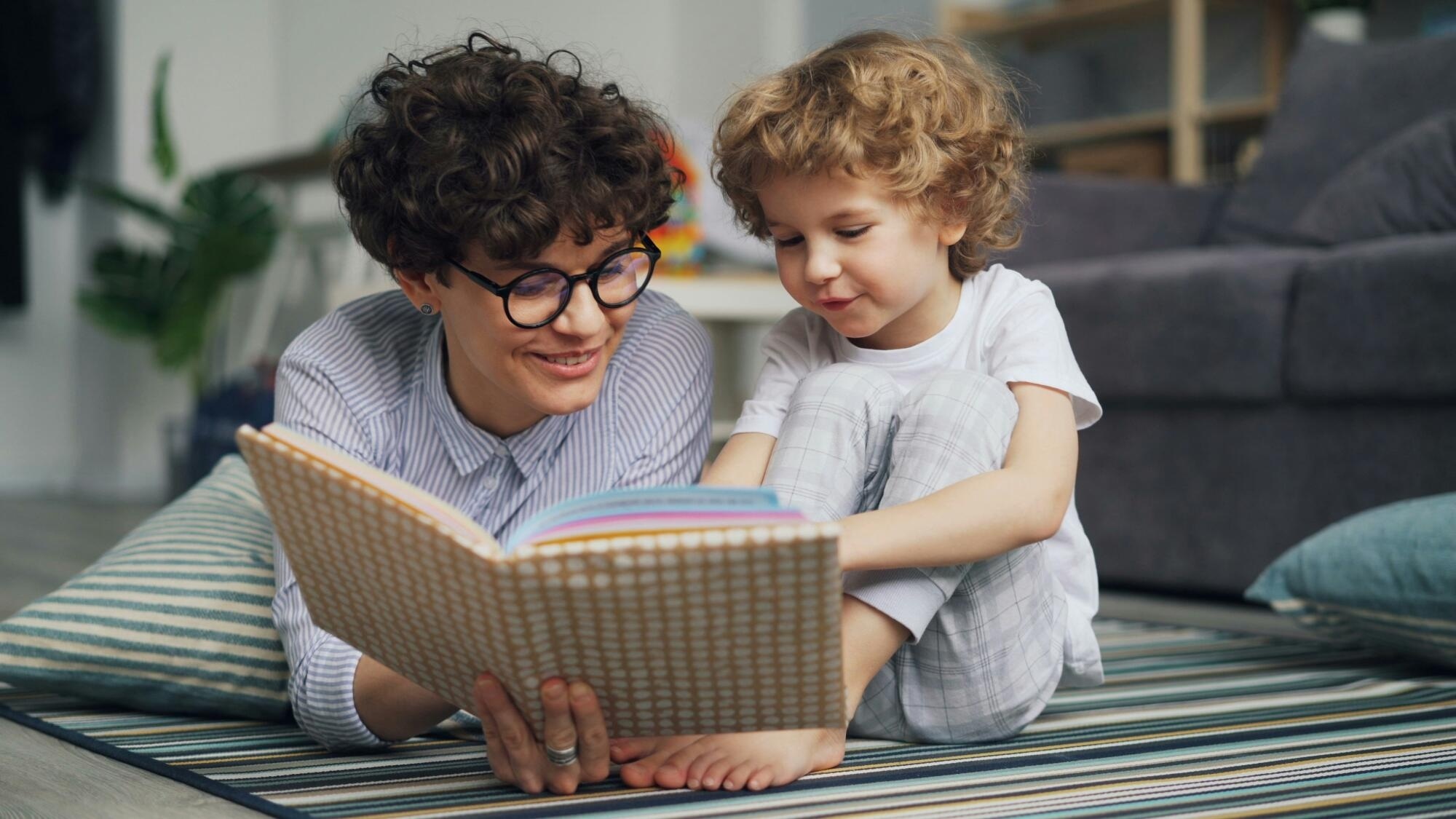
Storytelling creates special moments between children and adults. Reading or telling stories together builds trust and closeness. These shared experiences help children feel safe and valued. Emotional security supports healthy development.
When adults listen to children’s stories, children feel heard. This strengthens communication and mutual respect. Children learn that their thoughts matter. This positive attention supports emotional growth.
Storytime also creates routines that children enjoy. Regular storytelling brings comfort and structure to daily life. These moments support learning and connection at the same time. Strong bonds formed through storytelling help children grow with confidence and care.
Start Enhancing Child Development with Storytelling Today
Storytelling plays a powerful role in child development. It supports creativity, language growth, emotional understanding, and social skills in simple and enjoyable ways. Through stories, children learn how to think, feel, and connect with others. They gain confidence, improve communication, and develop strong thinking skills.
Storytelling also builds warm relationships between children and adults, creating safe spaces for learning and growth. By sharing stories often, parents and teachers can support healthy development while making learning fun. Stories are simple tools, but their impact lasts a lifetime.
If you enjoyed this article, take time to explore other topics on our blog.